






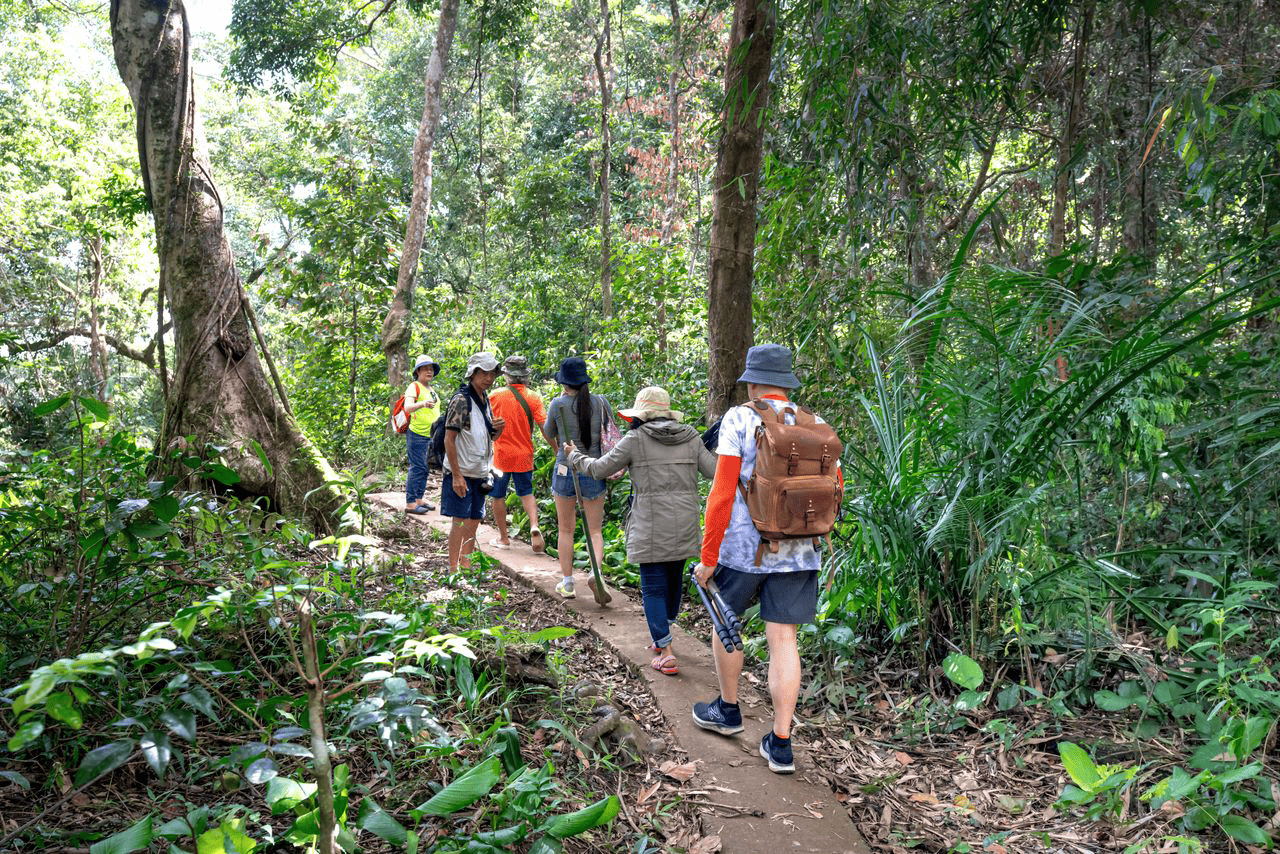
What is ecotourism? A tourism model that preserves nature and empowers local communities for sustainable tourism.
Program Kontribusi Sosial
5 mins read
0
Bagikan:
Ecotourism has become a tourism concept that is increasingly discussed in recent years. But what exactly is ecotourism?
Although the concept may sound familiar to some, many people still do not fully understand how it works or what it looks like in practice. If you are one of them, read on for an explanation of ecotourism in this article!
READ ALSO: Tourism Village: Astra's Collaboration for Village Development
Ecotourism is a form of responsible travel to natural areas that prioritizes environmental preservation, the well-being of local communities, and educational elements.
Thus, tourism activities are not solely focused on the visitor experience, they also aim to create positive impacts on nature and the communities surrounding the destination.
This concept links three key aspects, conservation, community, and sustainable travel. These elements are interconnected because a well-preserved environment attracts tourists, while well-managed tourism activities can create economic and social benefits for local residents.
Unlike ordinary nature tourism, ecotourism has broader objectives. Travelers do not simply come to admire the scenery, they are also encouraged to understand the ecosystem, the culture, and the importance of preserving the area.
The tourism experience may include observing flora and fauna, participating in environmental education, visiting local communities, and engaging in conservation activities.
Consequently, a destination with natural scenery cannot automatically be classified as an ecotourism site. It requires management that considers environmental impacts, involves the community, and delivers sustainable benefits.
When discussing ecotourism, it is important to understand the benefits of its implementation.
It is well known that tourism holds immense economic potential. However, unchecked tourism growth can lead to various problems such as waste accumulation, habitat destruction, excessive resource consumption, and disruptions to the lives of local communities.
This is where ecotourism offers a different approach. Below are some of the benefits ecotourism brings to the environment and society:
Several important principles guide the implementation of ecotourism.
Conservation lies at the heart of ecotourism. Tourism activities must be designed to avoid destroying habitats, disturbing wildlife, or over-exploiting natural resources.
For example, destination managers can limit visitor numbers, designate specific paths for tourists, manage waste effectively, and protect sensitive areas from excessive human activity.
Every tourism activity has the potential to impact the environment. Therefore, ecotourism strives to minimize pollution, vegetation damage, wildlife disturbance, and negative impacts on community life.
Facility management is also a crucial aspect. Ecotourism principles encourage the use of facilities that have a low environmental impact.
Ecotourism goes beyond recreation. It also gives tourists the opportunity to understand the destination's natural environment and local culture.
Examples include tours led by local guides, explanations of mangrove ecosystems, introductions to endemic wildlife, tree-planting activities, or educational programs on environmental management.
Through education, the aim is for tourists not only to enjoy the destination but also to understand why the area requires protection.
Communities living near the destination should not merely be spectators of tourism development. They can be involved in planning, management, and the economic activities arising from tourism.
Such involvement can create opportunities while giving communities space to maintain cultural values and local wisdom.
One important characteristic of ecotourism is the economic benefits it provides to the surrounding community. Tourist spending can support local businesses such as homestays, food and beverages, guide services, local transportation, and crafts. In this way, environmental sustainability and community well-being can go hand in hand.
Ecotourism also requires respect for the norms, traditions, and rights of local communities at the destination. Tourists should understand local regulations, ask permission before photographing local communities, and avoid actions that could disrupt community life. This principle is important because tourism sustainability relates not only to the physical environment but also to social and cultural conditions.
Example of Ecotourism as a Manifestation of PT Astra International Tbk's Sustainability Commitment
Through the Trigona Honey MSME Development program, PT Astra International Tbk, through its Honda Sales Operation NTB, is helping improve farmers' welfare in Bengkaung, West Lombok. This program includes training, facility support, and marketing strategies to develop honey-based herbal products.
One program relevant to the ecotourism concept is the development of villages as people-based educational tourism destinations.
This program includes training, facility support, and marketing strategies to increase product added value, create jobs, and boost community income. The initiative also includes developing villages as honey-based educational tourism destinations.
This approach shows how tourism activities can be developed alongside community empowerment. When local potential is part of the tourism experience, economic benefits can flow back to the community while introducing visitors to the region's richness and unique activities.
The concept goes beyond simply attracting tourists; it also builds experiences that maintain sustainability and provide value to the communities surrounding the destination.
READ ALSO: Unlocking Village Potential: Astra's Strategy to Promote Self-Reliance
This is an interesting explanation of ecotourism. Essentially, this concept not only promotes tourism activities that prioritize environmental sustainability, but also benefits local communities while supporting sustainability.
From the Astra Prosperous Village program to other initiatives, PT Astra International demonstrates that sustainable development can go hand in hand with strengthening local potential and community well-being.
To learn more about how Astra implements its sustainability commitments and contributes to the community, you can find complete information in the Astra Sustainability Report.


Be part of our enthusiastic community that is interconnected in the vision of a sustainable future.