'%3e%3cpath%20fill-rule='evenodd'%20clip-rule='evenodd'%20d='M72.7386%2031.9427H70.5078V34.2699H73.5513L74.8841%2037.6969H78.3056L72.2835%2022.6738H70.4996V25.6665L72.7386%2031.9427ZM70.5078%2031.9427H68.2688L70.4265%2025.6745H70.4996V22.6818H68.7889L62.8359%2037.7049H66.038L67.3748%2034.2779H70.4996L70.5078%2031.9427Z'%20fill='%23005BAA'/%3e%3cpath%20fill-rule='evenodd'%20clip-rule='evenodd'%20d='M89.5501%2025.455C88.5675%2025.0218%2087.5025%2024.7977%2086.4253%2024.7975C85.385%2024.7975%2083.9872%2025.2319%2083.9872%2026.9095C83.9872%2029.4678%2090.7529%2028.372%2090.7529%2033.4766C90.7529%2036.7602%2088.071%2037.9995%2084.9502%2037.9995C83.3248%2037.9995%2082.569%2037.7803%2081.0046%2037.4177L81.3053%2034.7199C82.3888%2035.2638%2083.5831%2035.562%2084.7999%2035.5926C85.9905%2035.5926%2087.5508%2035.0068%2087.5508%2033.6998C87.5508%2030.7749%2080.7852%2032.0181%2080.7852%2026.9852C80.7852%2023.6299%2083.4671%2022.3906%2086.1408%2022.3906C87.4021%2022.395%2088.655%2022.5912%2089.8548%2022.9724L89.5501%2025.455Z'%20fill='%23005BAA'/%3e%3cpath%20fill-rule='evenodd'%20clip-rule='evenodd'%20d='M97.584%2025.0925H93.1914V22.6816H105.093V25.0925H100.709V37.7047H97.584V25.0925Z'%20fill='%23005BAA'/%3e%3cpath%20fill-rule='evenodd'%20clip-rule='evenodd'%20d='M113.344%2025.105C114.466%2025.2445%20115.429%2025.6829%20115.429%2026.9979C115.429%2028.4563%20114.466%2028.8947%20113.344%2029.0421V31.6682C113.795%2031.9551%20114.015%2032.3217%20114.315%2033.0549L116.176%2037.7172H119.598L117.139%2031.8794C116.847%2031.1461%20116.327%2030.3452%20115.514%2030.2854C116.384%2030.1857%20117.185%2029.7724%20117.762%2029.1258C118.339%2028.4793%20118.65%2027.6456%20118.635%2026.7867C118.635%2023.3597%20116.034%2022.8456%20113.352%2022.7021L113.344%2025.105ZM111.19%2025.105H113.344V22.7141H108.086V37.7372H111.207V31.5088H112.149C112.553%2031.4694%20112.96%2031.5198%20113.34%2031.6562V29.0302C112.946%2029.0878%20112.547%2029.1079%20112.149%2029.0899H111.186L111.19%2025.105Z'%20fill='%23005BAA'/%3e%3cpath%20fill-rule='evenodd'%20clip-rule='evenodd'%20d='M131.422%2031.9427H129.191V34.2699H132.32L133.584%2037.6969H137.001L130.979%2022.6738H129.191V25.6665L131.422%2031.9427ZM129.191%2031.9427H126.964L129.191%2025.6745V22.6818H127.484L121.531%2037.7049H124.75L126.082%2034.2779H129.207L129.191%2031.9427Z'%20fill='%23005BAA'/%3e%3cpath%20fill-rule='evenodd'%20clip-rule='evenodd'%20d='M80.9241%206.77433C77.1329%207.06523%2069.7658%208.15709%2063.7437%209.16527C57.7907%2010.1854%2054.8041%2010.9186%2052.2888%2011.5004C45.6694%2013.0346%2035.6285%2015.8838%2030.2729%2017.4778C25.5999%2019.0359%2013.1616%2024.0648%2012.7918%2023.9971C12.6415%2023.9971%2012.1904%2023.5587%2012.8609%2023.1204C11.6012%2023.9971%2031.0124%207.14492%2062.8416%202.91695V0H0V33.4732C19.334%2025.8182%2040.6104%2022.8255%2062.8457%2022.8255V14.7441L63.3699%2014.5967C76.0885%209.93037%2090.8918%208.02957%20114.911%205.55097V4.75399C112.904%204.75399%2098.0272%204.96917%2081.2207%206.79425L80.9241%206.77433Z'%20fill='%23005BAA'/%3e%3cpath%20fill-rule='evenodd'%20clip-rule='evenodd'%20d='M114.912%204.29948C103.641%203.56019%2092.3313%203.60946%2081.0676%204.44692C75.1959%204.88526%2068.9463%205.76194%2063.1477%206.71034C50.7947%208.82234%2040.5385%2011.3767%2040.5385%2011.3767C40.5385%2011.3767%2039.7908%2011.3767%2040.4613%2010.9423C41.5788%2010.2848%2050.6484%206.272%2063.1477%203.86512C65.8269%203.35506%2068.6523%202.91672%2071.6241%202.55011C72.0711%202.55011%2071.6241%202.04004%2071.6241%202.04004C68.7268%202.25921%2065.8255%202.40665%2063.0908%202.76928C51.3864%204.41589%2040.0139%207.83588%2029.3802%2012.9069C28.9332%2013.13%2030.5668%2012.1776%2021.046%2017.358C21.046%2017.358%2015.0971%2021.2233%2014.6542%2021.6617C14.0569%2022.2475%2019.5588%2019.8366%2023.4272%2018.4499C26.999%2017.2145%2036.6701%2014.5128%2038.9009%2013.8553C40.4613%2013.4209%2045.9633%2012.2613%2051.6887%2011.1575C57.0484%2010.0616%2062.1765%209.4121%2062.4772%209.34037H62.847C62.847%209.34037%2068.7268%208.45971%2069.9093%208.24054C71.7013%207.87393%2081.4455%206.71034%2081.5187%206.71034C98.3292%204.88526%20115.209%204.7418%20114.912%204.7418V4.29948Z'%20fill='%2395B6DF'/%3e%3c/g%3e%3cdefs%3e%3cclipPath%20id='clip0_118_10024'%3e%3crect%20width='137'%20height='38'%20fill='white'/%3e%3c/clipPath%3e%3c/defs%3e%3c/svg%3e)






Learn what a tourism village is, its strategic purpose, and the community-centered approaches driving its sustainable development.
Kampung Berseri Astra dan Desa Sejahtera Astra
6 mins read
0
Bagikan:
Tourism villages have become one of the fastest-growing models of tourism development in Indonesia. This approach not only creates attractive destinations for travelers but also drives local economic growth, preserves cultural heritage, and protects the environment.
In recent years, many Indonesian villages have successfully transformed into leading tourism destinations. The Desa Sejahtera Astra program exemplifies this, as it encourages communities to sustainably develop their regional potential.
Through this article, you'll gain a deeper understanding of what a tourism village is, its development goals, benefits for local communities, and highlights successful examples from Astra's partner villages.
ALSO READ: What Is a Village? Understanding Its Potential Toward a Prosperous Future
A tourism village is a rural area that offers tourism experiences based on local assets, such as culture, natural landscapes, traditions, creative industries, or daily community life, all presented as engaging visitor experiences.
The tourism village model places the community at the center of destination management and development, ensuring that economic benefits flow directly to residents.
Unlike conventional tourist destinations that focus on specific attractions, a tourism village offers a more authentic experience, including:
Tourism villages are considered a form of community-based tourism, as they prioritize active community participation.
At its core, the primary goal of developing a tourism village is to improve community welfare through the sustainable use of local potential.
In addition, tourism village development serves several other important objectives.
Tourism activities create new business opportunities for villagers, including homestays, local cuisine, handicrafts, tour guide services, and transportation. As visitor numbers increase, so does community income.
Many villages have unique cultural assets. The tourism village framework helps preserve these traditions and introduces them to younger generations and visitors worldwide.
Well-managed tourism encourages communities to maintain cleanliness, conserve forests, and protect natural resources.
When villages offer economic opportunities, residents are less likely to migrate to cities for work, supporting more balanced regional development.
A tourism village may include one or several neighboring villages. The main focus is on providing visitors with unique experiences, including interaction with daily community life.
Here are the general criteria that define a tourism village.
A tourism village provides economic, social, cultural, and environmental benefits, making it a highly sustainable development model. The following outlines these benefits.
The economic advantages experienced by communities include increased resident incomes, job creation, growth of local MSMEs, and the ability to attract regional investment.
Tourism villages strengthen community cooperation, as their management requires collaboration among stakeholders. Communities also benefit from capacity building through training and mentorship.
Traditions and local wisdom that may have been fading can be revived through tourism experiences.
Many tourism villages implement conservation programs that encourage communities to protect the environment, which is the primary asset of their tourism industry.
ALSO READ: Understanding Rural Areas and Their Role in Local Development
Sustainable tourism village development requires balancing economic, social, cultural, and environmental factors.
This principle is increasingly important, as unmanaged tourism growth can cause negative impacts. Common development strategies include:
The Desa Sejahtera Astra program shows how tourism villages can become community economic hubs while preserving the environment and local culture. The following are successful examples.
Desa Sejahtera Astra Nyarai is recognized as an ecotourism destination that sustainably leverages its natural beauty. Previously, many residents depended on logging for their livelihoods.
Through ecotourism development, the community found more sustainable livelihoods, such as tour guides and tourism entrepreneurs. This model demonstrates that a tourism village can improve community welfare while protecting the forest.
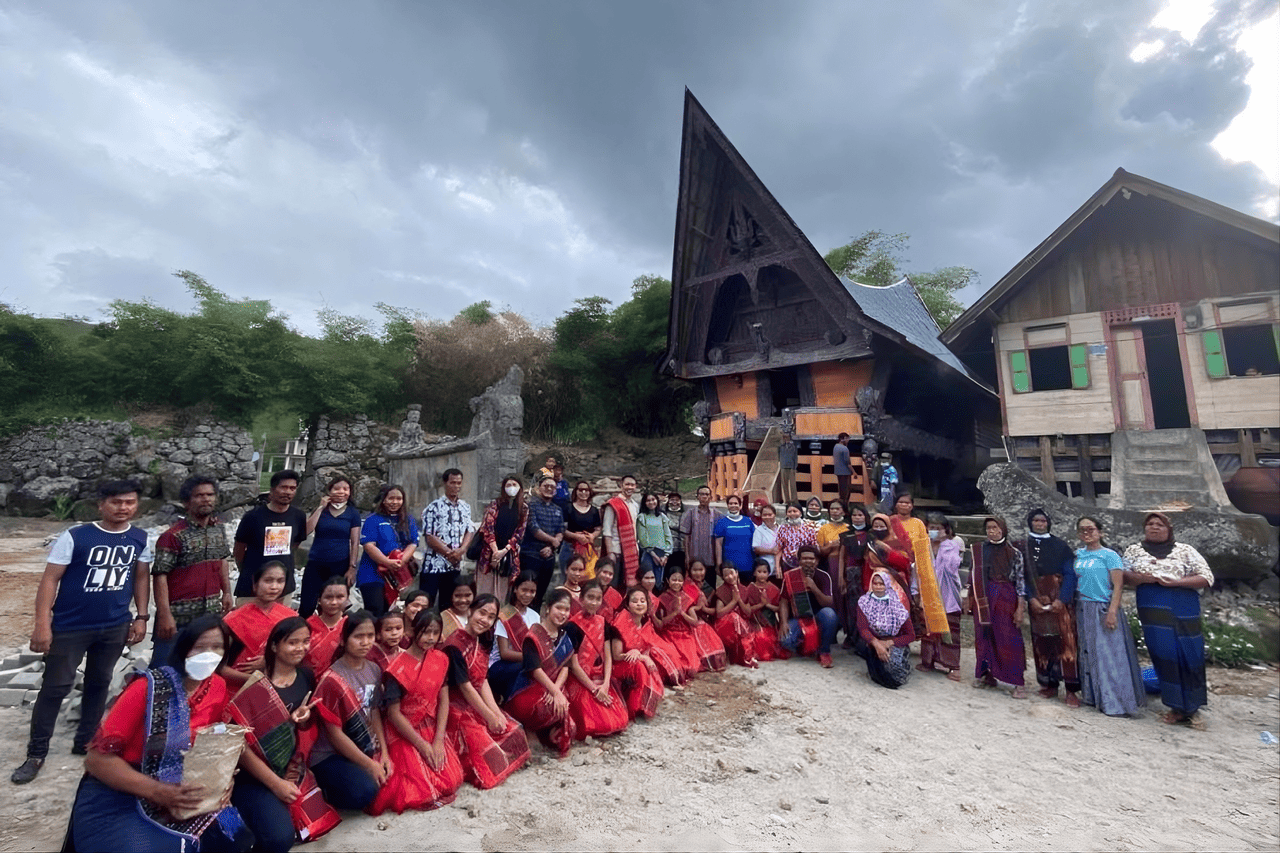
Desa Sejahtera Astra Hariara Pohan, located in the Lake Toba area, is also a success story in tourism development focused on environmental cleanliness and health.
Through community empowerment programs and clean tourism initiatives, the village aims to create a comfortable visitor experience and support environmental sustainability. These efforts enhance the area's appeal and raise community awareness about environmental protection.
Despite their significant potential, tourism villages face several challenges that require collective action.
This is why support from multiple stakeholders is essential to ensure tourism villages develop sustainably and deliver long-term benefits.
ALSO READ: Discover the Creative Village Program: Innovation for the Community's Future
A tourism village is a development model that integrates economic growth, cultural preservation, community empowerment, and environmental protection into a sustainable ecosystem. With proper management, it becomes more than a destination; it serves as a catalyst for local community welfare.
Through its Desa Sejahtera Astra initiatives, Astra demonstrates its commitment to supporting sustainable and competitive tourism village development that positively impacts communities and the environment.
To learn more about Astra's sustainability programs, community empowerment efforts, and contributions to Indonesia's development, visit the Astra Sustainability Report and explore inspiring stories from Desa Sejahtera Astra across Indonesia.


Be part of our enthusiastic community that is interconnected in the vision of a sustainable future.