'%3e%3cpath%20fill-rule='evenodd'%20clip-rule='evenodd'%20d='M72.7386%2031.9427H70.5078V34.2699H73.5513L74.8841%2037.6969H78.3056L72.2835%2022.6738H70.4996V25.6665L72.7386%2031.9427ZM70.5078%2031.9427H68.2688L70.4265%2025.6745H70.4996V22.6818H68.7889L62.8359%2037.7049H66.038L67.3748%2034.2779H70.4996L70.5078%2031.9427Z'%20fill='%23005BAA'/%3e%3cpath%20fill-rule='evenodd'%20clip-rule='evenodd'%20d='M89.5501%2025.455C88.5675%2025.0218%2087.5025%2024.7977%2086.4253%2024.7975C85.385%2024.7975%2083.9872%2025.2319%2083.9872%2026.9095C83.9872%2029.4678%2090.7529%2028.372%2090.7529%2033.4766C90.7529%2036.7602%2088.071%2037.9995%2084.9502%2037.9995C83.3248%2037.9995%2082.569%2037.7803%2081.0046%2037.4177L81.3053%2034.7199C82.3888%2035.2638%2083.5831%2035.562%2084.7999%2035.5926C85.9905%2035.5926%2087.5508%2035.0068%2087.5508%2033.6998C87.5508%2030.7749%2080.7852%2032.0181%2080.7852%2026.9852C80.7852%2023.6299%2083.4671%2022.3906%2086.1408%2022.3906C87.4021%2022.395%2088.655%2022.5912%2089.8548%2022.9724L89.5501%2025.455Z'%20fill='%23005BAA'/%3e%3cpath%20fill-rule='evenodd'%20clip-rule='evenodd'%20d='M97.584%2025.0925H93.1914V22.6816H105.093V25.0925H100.709V37.7047H97.584V25.0925Z'%20fill='%23005BAA'/%3e%3cpath%20fill-rule='evenodd'%20clip-rule='evenodd'%20d='M113.344%2025.105C114.466%2025.2445%20115.429%2025.6829%20115.429%2026.9979C115.429%2028.4563%20114.466%2028.8947%20113.344%2029.0421V31.6682C113.795%2031.9551%20114.015%2032.3217%20114.315%2033.0549L116.176%2037.7172H119.598L117.139%2031.8794C116.847%2031.1461%20116.327%2030.3452%20115.514%2030.2854C116.384%2030.1857%20117.185%2029.7724%20117.762%2029.1258C118.339%2028.4793%20118.65%2027.6456%20118.635%2026.7867C118.635%2023.3597%20116.034%2022.8456%20113.352%2022.7021L113.344%2025.105ZM111.19%2025.105H113.344V22.7141H108.086V37.7372H111.207V31.5088H112.149C112.553%2031.4694%20112.96%2031.5198%20113.34%2031.6562V29.0302C112.946%2029.0878%20112.547%2029.1079%20112.149%2029.0899H111.186L111.19%2025.105Z'%20fill='%23005BAA'/%3e%3cpath%20fill-rule='evenodd'%20clip-rule='evenodd'%20d='M131.422%2031.9427H129.191V34.2699H132.32L133.584%2037.6969H137.001L130.979%2022.6738H129.191V25.6665L131.422%2031.9427ZM129.191%2031.9427H126.964L129.191%2025.6745V22.6818H127.484L121.531%2037.7049H124.75L126.082%2034.2779H129.207L129.191%2031.9427Z'%20fill='%23005BAA'/%3e%3cpath%20fill-rule='evenodd'%20clip-rule='evenodd'%20d='M80.9241%206.77433C77.1329%207.06523%2069.7658%208.15709%2063.7437%209.16527C57.7907%2010.1854%2054.8041%2010.9186%2052.2888%2011.5004C45.6694%2013.0346%2035.6285%2015.8838%2030.2729%2017.4778C25.5999%2019.0359%2013.1616%2024.0648%2012.7918%2023.9971C12.6415%2023.9971%2012.1904%2023.5587%2012.8609%2023.1204C11.6012%2023.9971%2031.0124%207.14492%2062.8416%202.91695V0H0V33.4732C19.334%2025.8182%2040.6104%2022.8255%2062.8457%2022.8255V14.7441L63.3699%2014.5967C76.0885%209.93037%2090.8918%208.02957%20114.911%205.55097V4.75399C112.904%204.75399%2098.0272%204.96917%2081.2207%206.79425L80.9241%206.77433Z'%20fill='%23005BAA'/%3e%3cpath%20fill-rule='evenodd'%20clip-rule='evenodd'%20d='M114.912%204.29948C103.641%203.56019%2092.3313%203.60946%2081.0676%204.44692C75.1959%204.88526%2068.9463%205.76194%2063.1477%206.71034C50.7947%208.82234%2040.5385%2011.3767%2040.5385%2011.3767C40.5385%2011.3767%2039.7908%2011.3767%2040.4613%2010.9423C41.5788%2010.2848%2050.6484%206.272%2063.1477%203.86512C65.8269%203.35506%2068.6523%202.91672%2071.6241%202.55011C72.0711%202.55011%2071.6241%202.04004%2071.6241%202.04004C68.7268%202.25921%2065.8255%202.40665%2063.0908%202.76928C51.3864%204.41589%2040.0139%207.83588%2029.3802%2012.9069C28.9332%2013.13%2030.5668%2012.1776%2021.046%2017.358C21.046%2017.358%2015.0971%2021.2233%2014.6542%2021.6617C14.0569%2022.2475%2019.5588%2019.8366%2023.4272%2018.4499C26.999%2017.2145%2036.6701%2014.5128%2038.9009%2013.8553C40.4613%2013.4209%2045.9633%2012.2613%2051.6887%2011.1575C57.0484%2010.0616%2062.1765%209.4121%2062.4772%209.34037H62.847C62.847%209.34037%2068.7268%208.45971%2069.9093%208.24054C71.7013%207.87393%2081.4455%206.71034%2081.5187%206.71034C98.3292%204.88526%20115.209%204.7418%20114.912%204.7418V4.29948Z'%20fill='%2395B6DF'/%3e%3c/g%3e%3cdefs%3e%3cclipPath%20id='clip0_118_10024'%3e%3crect%20width='137'%20height='38'%20fill='white'/%3e%3c/clipPath%3e%3c/defs%3e%3c/svg%3e)






Understand the role of villages in building an inclusive economic ecosystem that unlocks new value for institutional investors.
Public Contribution
5 mins read
0
Bagikan:
Indonesia is recognized for its abundant natural resources, cultural diversity, and human capital. Notably, most resources are found in rural areas, making discussions about village potential increasingly relevant in the context of sustainable development.
Many Indonesian villages have significant growth opportunities in agriculture, tourism, fisheries, the creative economy, and local MSMEs. Realizing this potential requires support, guidance, and collaboration from multiple stakeholders.
Village empowerment programs are essential, as they address economic growth, environmental sustainability, and community welfare.
ALSO READ: Understanding Village SDGs: The Key to Sustainable Community Development
In general, village potential encompasses all resources that can be developed to enhance community welfare. These include natural resources, local culture, community skills, and strategic locations.
Of course, each village has unique characteristics. So, development strategies must be tailored accordingly. Some villages excel in agriculture, while others are stronger in tourism, handicrafts, or marine.
Below is an explanation of the two main categories of village potential: physical and non-physical.
Physical potential includes all tangible resources that can be directly utilized, such as the following:
When managed effectively, physical potential can become the primary economic driver for village communities.
Villages also possess non-physical potential, including the following:
Non-physical potential is often a key strength in building village identity and enhancing the appeal of tourism and the creative economy.
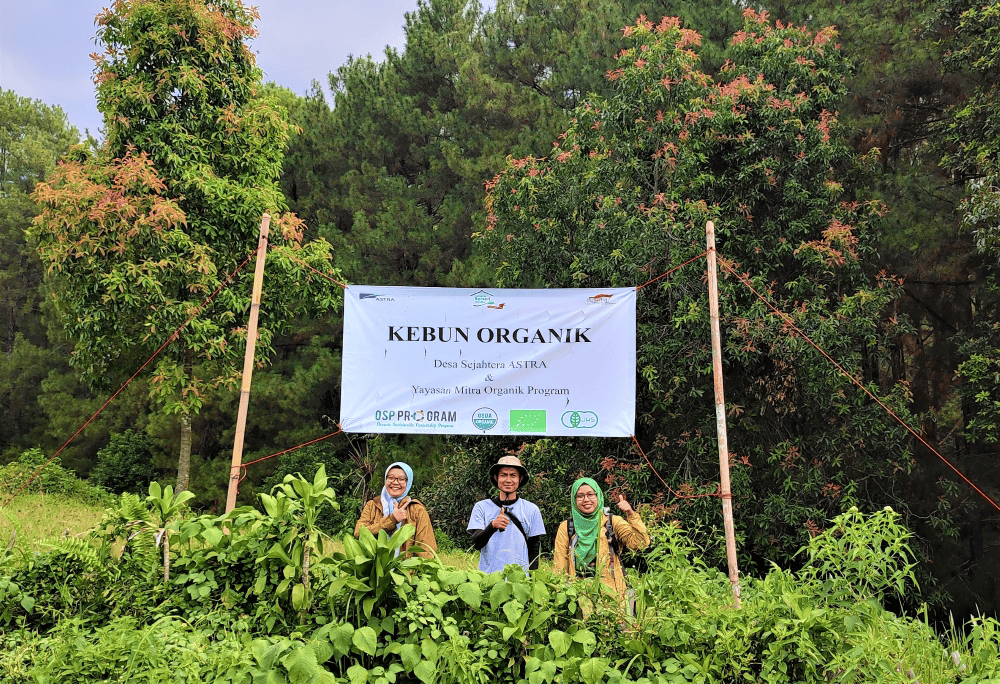
In this context, the Desa Sejahtera Astra (DSA) program aims to optimize both physical and non-physical village potential across Indonesia, enabling villages to compete globally. This empowerment initiative focuses on four pillars: health, education, environment, and entrepreneurship.
In 2025, the program achieved significant economic impact. Astra supported 1,533 Desa Sejahtera Astra in 35 provinces, with flagship products marketed in 26 countries. The initiative established 492 Export Villages, created 3,731 new jobs, and increased the average village income by up to 56.85%, with total exports valued at IDR 411 billion.
Village development involves more than building facilities or increasing income; it also plays a key role in balancing the national economy.
As villages develop, employment opportunities grow, urbanization decreases, and quality of life improves. Key reasons for developing village potential include:
There are many examples of village potential that can be developed according to each region's characteristics. Here are several of them:
Agriculture remains a key strength of Indonesian villages. Today, development extends beyond raw harvest products.
Many villages now produce value-added goods such as local coffee, agricultural chips, organic products, herbal drinks, and processed foods. Processing agricultural products increases their market value.
Village tourism is among the fastest-growing sectors in recent years. Many tourists are now seeking authentic experiences closely connected to nature and local culture.
Examples include cultural, nature, educational, culinary, and handicraft tourism. Well-managed village tourism increases community income and promotes regional cultural identity.
Many villages have signature products such as woven fabrics, batik, handicrafts, wood carvings, and handmade products. With digital marketing support, local village products now have opportunities to reach broader markets.
Coastal villages have strong potential for marine products and related industries. Advances in processing and distribution technology increase the value of fishery products.
Despite significant opportunities, village development faces several challenges, including:
Therefore, collaboration among the government, the private sector, and communities is essential.
ALSO READ: Understanding Independent Villages: A Pillar Toward a Sustainable Society
Village potential is one of Indonesia's greatest assets. Nature, culture, and community creativity can all drive sustainable economic growth.
With the right support, villages have become a vital foundation for a more inclusive and sustainable future for Indonesia.
To learn more about collaboration and village empowerment through sustainability programs, explore the Astra Sustainability Report. The next inspiration for change may begin in a village near you.


Be part of our enthusiastic community that is interconnected in the vision of a sustainable future.