'%3e%3cpath%20fill-rule='evenodd'%20clip-rule='evenodd'%20d='M72.7386%2031.9427H70.5078V34.2699H73.5513L74.8841%2037.6969H78.3056L72.2835%2022.6738H70.4996V25.6665L72.7386%2031.9427ZM70.5078%2031.9427H68.2688L70.4265%2025.6745H70.4996V22.6818H68.7889L62.8359%2037.7049H66.038L67.3748%2034.2779H70.4996L70.5078%2031.9427Z'%20fill='%23005BAA'/%3e%3cpath%20fill-rule='evenodd'%20clip-rule='evenodd'%20d='M89.5501%2025.455C88.5675%2025.0218%2087.5025%2024.7977%2086.4253%2024.7975C85.385%2024.7975%2083.9872%2025.2319%2083.9872%2026.9095C83.9872%2029.4678%2090.7529%2028.372%2090.7529%2033.4766C90.7529%2036.7602%2088.071%2037.9995%2084.9502%2037.9995C83.3248%2037.9995%2082.569%2037.7803%2081.0046%2037.4177L81.3053%2034.7199C82.3888%2035.2638%2083.5831%2035.562%2084.7999%2035.5926C85.9905%2035.5926%2087.5508%2035.0068%2087.5508%2033.6998C87.5508%2030.7749%2080.7852%2032.0181%2080.7852%2026.9852C80.7852%2023.6299%2083.4671%2022.3906%2086.1408%2022.3906C87.4021%2022.395%2088.655%2022.5912%2089.8548%2022.9724L89.5501%2025.455Z'%20fill='%23005BAA'/%3e%3cpath%20fill-rule='evenodd'%20clip-rule='evenodd'%20d='M97.584%2025.0925H93.1914V22.6816H105.093V25.0925H100.709V37.7047H97.584V25.0925Z'%20fill='%23005BAA'/%3e%3cpath%20fill-rule='evenodd'%20clip-rule='evenodd'%20d='M113.344%2025.105C114.466%2025.2445%20115.429%2025.6829%20115.429%2026.9979C115.429%2028.4563%20114.466%2028.8947%20113.344%2029.0421V31.6682C113.795%2031.9551%20114.015%2032.3217%20114.315%2033.0549L116.176%2037.7172H119.598L117.139%2031.8794C116.847%2031.1461%20116.327%2030.3452%20115.514%2030.2854C116.384%2030.1857%20117.185%2029.7724%20117.762%2029.1258C118.339%2028.4793%20118.65%2027.6456%20118.635%2026.7867C118.635%2023.3597%20116.034%2022.8456%20113.352%2022.7021L113.344%2025.105ZM111.19%2025.105H113.344V22.7141H108.086V37.7372H111.207V31.5088H112.149C112.553%2031.4694%20112.96%2031.5198%20113.34%2031.6562V29.0302C112.946%2029.0878%20112.547%2029.1079%20112.149%2029.0899H111.186L111.19%2025.105Z'%20fill='%23005BAA'/%3e%3cpath%20fill-rule='evenodd'%20clip-rule='evenodd'%20d='M131.422%2031.9427H129.191V34.2699H132.32L133.584%2037.6969H137.001L130.979%2022.6738H129.191V25.6665L131.422%2031.9427ZM129.191%2031.9427H126.964L129.191%2025.6745V22.6818H127.484L121.531%2037.7049H124.75L126.082%2034.2779H129.207L129.191%2031.9427Z'%20fill='%23005BAA'/%3e%3cpath%20fill-rule='evenodd'%20clip-rule='evenodd'%20d='M80.9241%206.77433C77.1329%207.06523%2069.7658%208.15709%2063.7437%209.16527C57.7907%2010.1854%2054.8041%2010.9186%2052.2888%2011.5004C45.6694%2013.0346%2035.6285%2015.8838%2030.2729%2017.4778C25.5999%2019.0359%2013.1616%2024.0648%2012.7918%2023.9971C12.6415%2023.9971%2012.1904%2023.5587%2012.8609%2023.1204C11.6012%2023.9971%2031.0124%207.14492%2062.8416%202.91695V0H0V33.4732C19.334%2025.8182%2040.6104%2022.8255%2062.8457%2022.8255V14.7441L63.3699%2014.5967C76.0885%209.93037%2090.8918%208.02957%20114.911%205.55097V4.75399C112.904%204.75399%2098.0272%204.96917%2081.2207%206.79425L80.9241%206.77433Z'%20fill='%23005BAA'/%3e%3cpath%20fill-rule='evenodd'%20clip-rule='evenodd'%20d='M114.912%204.29948C103.641%203.56019%2092.3313%203.60946%2081.0676%204.44692C75.1959%204.88526%2068.9463%205.76194%2063.1477%206.71034C50.7947%208.82234%2040.5385%2011.3767%2040.5385%2011.3767C40.5385%2011.3767%2039.7908%2011.3767%2040.4613%2010.9423C41.5788%2010.2848%2050.6484%206.272%2063.1477%203.86512C65.8269%203.35506%2068.6523%202.91672%2071.6241%202.55011C72.0711%202.55011%2071.6241%202.04004%2071.6241%202.04004C68.7268%202.25921%2065.8255%202.40665%2063.0908%202.76928C51.3864%204.41589%2040.0139%207.83588%2029.3802%2012.9069C28.9332%2013.13%2030.5668%2012.1776%2021.046%2017.358C21.046%2017.358%2015.0971%2021.2233%2014.6542%2021.6617C14.0569%2022.2475%2019.5588%2019.8366%2023.4272%2018.4499C26.999%2017.2145%2036.6701%2014.5128%2038.9009%2013.8553C40.4613%2013.4209%2045.9633%2012.2613%2051.6887%2011.1575C57.0484%2010.0616%2062.1765%209.4121%2062.4772%209.34037H62.847C62.847%209.34037%2068.7268%208.45971%2069.9093%208.24054C71.7013%207.87393%2081.4455%206.71034%2081.5187%206.71034C98.3292%204.88526%20115.209%204.7418%20114.912%204.7418V4.29948Z'%20fill='%2395B6DF'/%3e%3c/g%3e%3cdefs%3e%3cclipPath%20id='clip0_118_10024'%3e%3crect%20width='137'%20height='38'%20fill='white'/%3e%3c/clipPath%3e%3c/defs%3e%3c/svg%3e)






Read the complete explanation of village classification, from its definition and categories to its benefits for village development.
Public Contribution
5 mins read
0
Bagikan:
Each village in Indonesia has unique characteristics, including development level, geographic conditions, population size, and economic activities. This is why understanding village classification is essential.
Governments and stakeholders use village classification to assess local conditions. Accurate classification enables development programs tailored to each village's needs and potential, leading to more effective and sustainable results.
ALSO READ: Traditional Villages: Preserving Culture, Traditions, & Local Wisdom
Village classification groups villages by characteristics such as development level, geographic conditions, population size, livelihood, and regional potential. This approach helps the government design policies and programs that address each village's specific needs.
Villages vary widely in their conditions. Some depend on traditional agriculture, while others have developed into centers of trade, tourism, or industry. Village classification enables the government to:
Village classification is more than an administrative process; it serves as a foundation for national development planning.
Without classification, villages would be approached uniformly despite differing needs. Key benefits of village classification include:
Villages are classified by development level into swadaya, swakarya, and swasembada categories. This is a widely recognized framework in geography and regional development studies. The categories are as follows:
A swadaya village is in the early stages of development. Its characteristics include:
However, swadaya villages typically maintain strong social bonds and preserve local wisdom.
A swakarya village is transitioning toward greater development, with active community participation. Its characteristics include:
A swasembada village is highly developed and demonstrates greater economic independence than other categories. Its characteristics include:
Based on location, villages can be grouped into several types. Here is the breakdown.
1. Mountain Village: Its main characteristics include being located in the highlands, having relatively cool air, being ideal for plantations and horticulture, and holding natural tourism potential.
2. Lowland Village: Its features include relatively flat topography, easy transportation access, suitability for agriculture and settlement, and more diverse economic activities.
3. Highland Village: Located in mountainous areas and using plateau land for economic activities such as fruit, vegetable, or tea plantations.
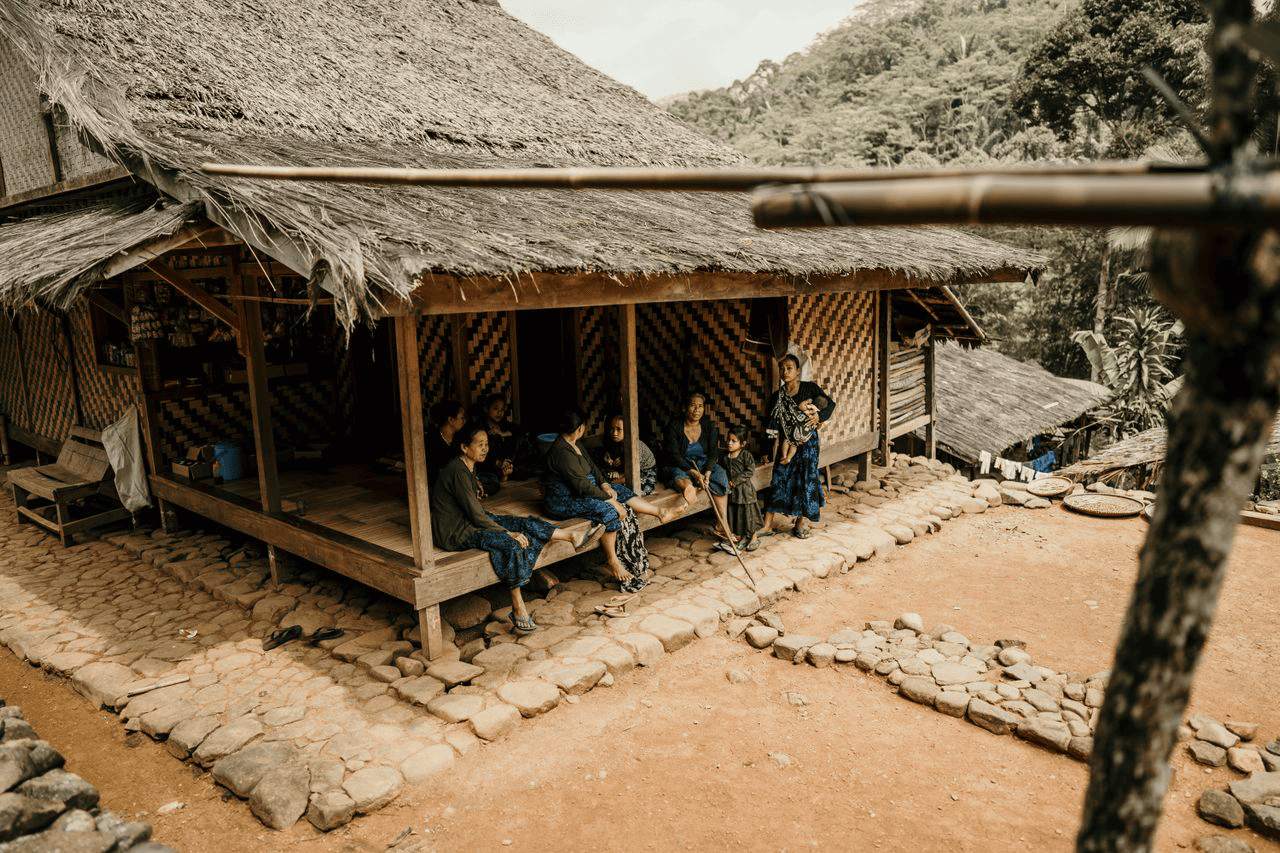
4. Remote Village: Scattered across areas far from city life, with a simple, quiet, and peaceful lifestyle surrounded by a friendly natural environment.
5. Coastal Village: Located along coastal areas, with the potential to capture fisheries, marine cultivation, marine tourism, and seafood processing industries. Coastal villages also face challenges such as abrasion and climate change.
Villages can also be classified by the primary livelihood of their residents:
Settlement patterns reflect how residents adapt to environmental conditions and economic activities. Common patterns include:
ALSO READ: Village Innovation Program: Steps For Community Sustainability
Village classification involves grouping villages by characteristics such as development level, geographic location, livelihood, population size, and settlement patterns.
This classification enables the government to better understand each village's condition, allowing for more accurate and effective development policies.
In addition to supporting development planning, village classification helps optimize local potential, improve community quality of life, and promote inclusive, sustainable development.
With support from various stakeholders, each village can continue to grow according to its unique characteristics and strengths. Village progress is a key foundation for Indonesia's sustainable development.
Through community empowerment, local economic development, education, healthcare, and environmental conservation initiatives, PT Astra International Tbk is committed to supporting independent and prosperous villages. Further details are available in the Astra Sustainability Report.


Be part of our enthusiastic community that is interconnected in the vision of a sustainable future.